Key Points
- Toxic comments can paradoxically increase engagement metrics but often worsen user experience and undermine long term brand health.
- Exposure to toxicity can trigger even more toxic interactions, harm community well being, and drive away potential customers.
- Brands, influencers, and platforms now rely on advanced moderation and detection tools powered by AI and machine learning to combat toxicity.
- Consumer purchasing intent declines sharply when exposed to persistent toxic comment threads, impacting reputation and sales.
- Creating positive, inclusive online spaces is a growing trend in 2025 for sustained engagement and community growth.
Toxicity in the Social Media Era
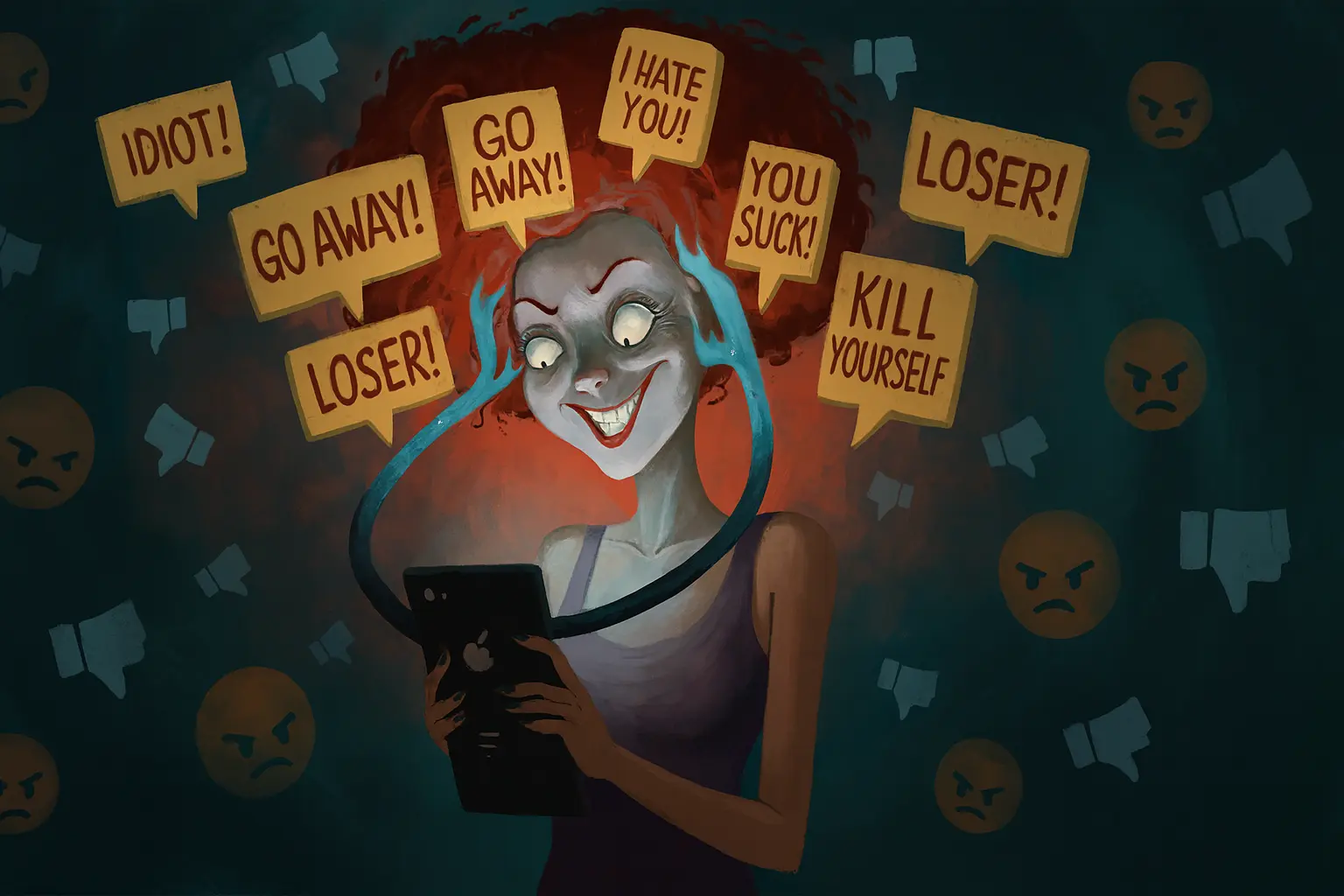
Social media platforms are battlegrounds for engagement, and comment sections are where much of that energy plays out. Toxic comments ranging from insults to hate speech and harassment can quickly disrupt the tone of online conversations, altering both user behavior and brand perception. This tug of war between visibility and well being pushes brands and creators to seek new ways to protect their communities without sacrificing engagement.
How Toxic Comments Shape Engagement Behavior.
Engagement: The Double-Edged Sword
Surprisingly, studies reveal that toxic comments can spark user curiosity and drive higher rates of comment section clicks and interaction even up to 18% greater engagement among exposed users. Posts with controversial or negative threads often get more attention, resulting in higher impressions, longer time spent, and increased exposure. However, what appears to be a win for engagement may mask negative impacts on brand health and user satisfaction.
The Downside: Harm to Brands and Communities
While engagement may surge, toxic environments erode trust and drive away both customers and contributors; over 60% of consumers reconsider purchases if they see persistent negative comments. Toxicity is contagious users exposed to toxic comment threads are more likely to post hateful or profane content themselves, creating a negative spiral that can harm mental health, alienate new users, and damage brand reputation. Long term effects include reduced conversion rates, declining follower loyalty, and increased moderation costs.
The Complexity of Moderation
Brands and platforms increasingly depend on AI and natural language processing to detect and remove toxic comments at scale. Real time interventions help reduce harm but must balance the nuanced effects of different types of toxicity (harassment vs. profanity), as well as the delicate trade off between engagement and user welfare. Proactive moderation fosters healthier spaces, restoring user trust and increasing positive engagement.
FAQs
Do toxic comments really increase engagement?
Yes, toxic comments often drive curiosity and boost interaction rates, but the resulting engagement tends to be negative and can damage brand reputation.
What are the business risks of toxic comment threads?
Persistent toxicity can decrease consumer trust, lower sales, and cause long term reputational harm especially in sensitive market segments.
How do brands and platforms combat toxicity?
Most rely on AI-powered detection systems and real time moderation tools to identify and block harmful comments, aiming to create safer, more inclusive online spaces.
Does toxicity affect influencer collaborations?
Yes. Brands routinely lose engagement, face public backlash, and spend more on damage control when influencers attract or tolerate toxic communities.
What’s trending in social media moderation for 2025?
The push toward fostering positive communities, leveraging advanced AI moderation, and prioritizing user well-being over pure engagement numbers are top trends this year.
Also Read : The Hidden Psychology Behind Why People Share Content Online.
The Psychology Behind Dark Social: Why We Share Privately Instead of Publicly.
The Fine Line Between Efficiency and Authenticity in Social Media Automation.