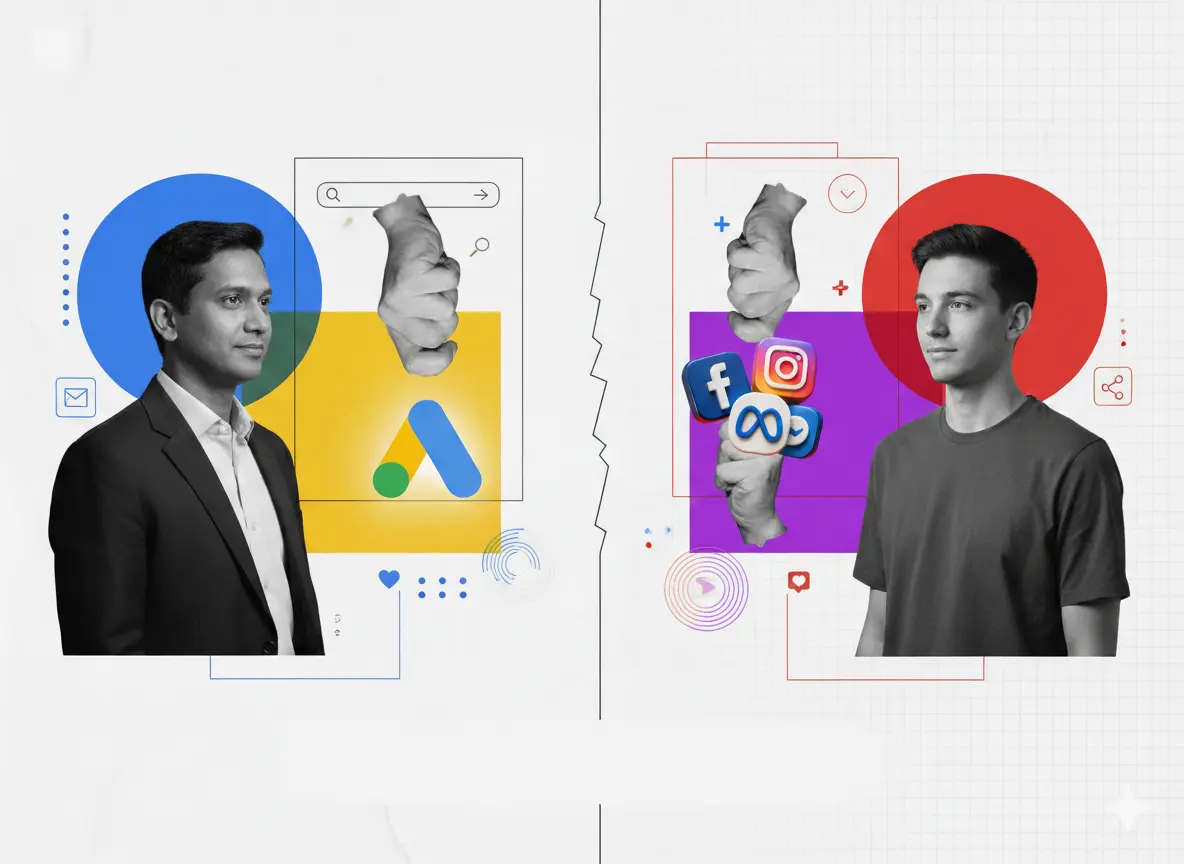
Choosing between Google Ads and Social Media Ads depends on your goals, budget, and audience. For most brands, a smart combination of both platforms leveraging strengths and minimizing limitations delivers optimal results in the dynamic digital market of 2025.
Key Points
- Google Ads target users with high purchase intent searching for specific products or solutions.
- Social Media Ads excel at broad audience targeting, brand awareness, and visually engaging campaigns.
- Google Ads deliver faster conversions at a higher cost per click (CPC) while social platforms offer budget flexibility and powerful retargeting.
- Using both in a complementary strategy is often the most effective approach for full-funnel marketing.
- Keyword research: “Google Ads vs social media ads,” “search ads vs Facebook/Instagram ads,” “best PPC platform 2025,” “digital advertising comparison,” “ad targeting strategies,” “intent-based ads,” “brand awareness campaigns,” “CPC 2025 trends.”
Understanding the Core Differences
1. Audience and Intent
- Google Ads: Reaches people actively searching for what you offer. Great for urgent solutions (lawyers, plumbers, SaaS, eCommerce) and those ready to buy.
- Social Media Ads: Intercepts users as they browse feeds—building intrigue, awareness, and nurturing relationships before the need arises.
2. Ad Formats and Targeting
- Google Ads: Uses text, shopping, display, and video ads across Google Search and Display Network. Targets keywords, location, devices, and time.
- Social Media Ads: Highlights visual formats (images, carousels, stories, reels, video). Targets audiences by interests, demographics, behavior, and custom/lookalike profiles.
3. Cost and Conversion
On Google Ads, the average cost per click (CPC) ranges from ₹387 to ₹436,, and the typical conversion rate is around 7–8%, making it best for targeting high-intent searches.
Social media ads are much cheaper, with an average CPC of ₹42 to ₹125 and a conversion rate of about 9% when it comes to brand engagement, making them ideal for building awareness and nurturing leads.
- Google Ads: Higher CPC, fast conversions, easier ROI tracking.
- Social Media Ads: Lower CPC, slower cycle, excellent for retargeting, community-building.
4. Analytics and Measurement
- Google Ads: Robust performance tracking (CTR, conversion rates, cost per acquisition). Integrates seamlessly with Google Analytics for detailed campaign insights.
- Social platforms (Facebook, Instagram, LinkedIn): Offer engagement metrics (likes, shares, comments, impressions) and retargeting pixel tracking for the entire user journey.
When to Choose Each Platform
When to Use Google Ads
- Immediate lead generation.
- Solving urgent needs or queries.
- Launching sales, promotions, or time-sensitive offers.
- Driving direct conversions and measuring ROI precisely.
When to Use Social Media Ads
- Building brand awareness and trust.
- Creating engaging, visually rich campaigns.
- Nurturing leads throughout a longer sales cycle.
- Leveraging lookalike audiences and specific demographic targeting.
Best Practice: Integrate Both Platforms
- Run Google Ads for high-intent users who search when they’re ready to buy.
- Use Social Media Ads to capture, nurture, and retarget prospects for broader reach and recurring engagements.
- A user may see a brand first on Instagram, then search on Google later—being present on both ensures higher conversion rates.
FAQ
Q: Is Google Ads better for sales?
A: Google Ads convert more quickly because they target users actively searching for solutions especially effective for eCommerce and services.
Q: Are social media ads more affordable?
A: CPC is usually lower on social platforms, making social media ideal for awareness building and budget conscious brands.
Q: Can I use both simultaneously?
A: Yes! Integrating Google and social campaigns strengthens the funnel: Google captures purchase intent, social keeps audiences engaged and nurtures leads.
Q: What keywords support digital ad success for 2025?
A: Use “Google Ads vs social media ads,” “search ads vs Facebook/Instagram ads,” “best PPC platform 2025,” “digital advertising comparison,” and “ad targeting strategies” to boost campaign research and visibility.
Also Read : The Fine Line Between Efficiency and Authenticity in Social Media Automation
Why Consumers Trust Brands That Stand for Something
Metaverse Marketing in 2025: Hype or the Future of Engagement ?