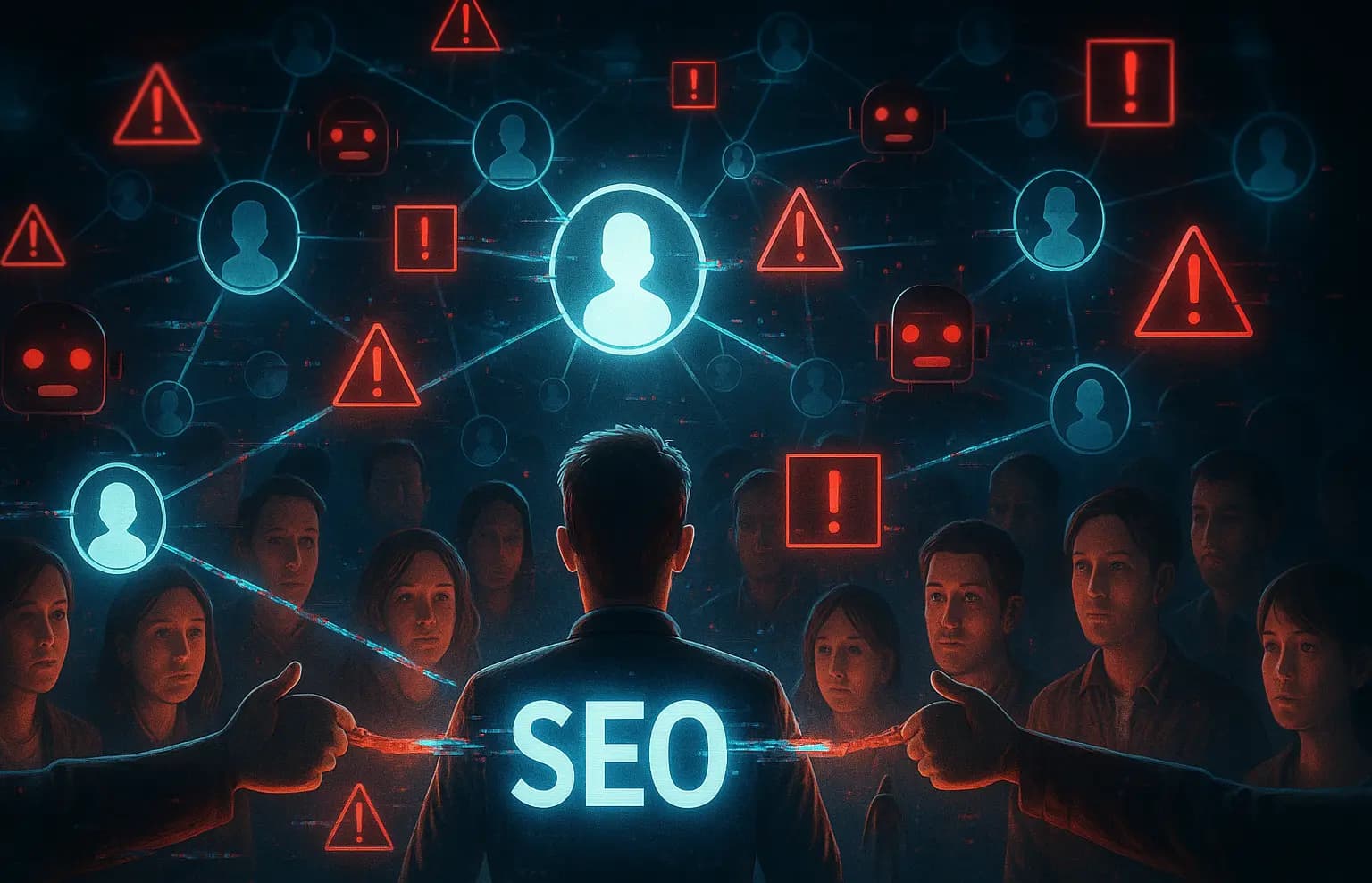
Key Points
- Over automation risks damaging authenticity, causing impersonal content and disengagement.
- Audiences increasingly crave real, human interaction 86% value authenticity in brands.
- Automated posts can misfire during sensitive events, trigger spam filters, or lead to reputational slip ups.
- Technical issues and platform changes can disrupt scheduled automation, harming consistency.
- Effective social media marketing requires a careful balance between automation and genuine engagement.
- Keyword insights: “social media automation risks”, “brand authenticity”, “over automation drawbacks”, “engagement loss”, “AI social media pitfalls”.
Automation A Boon, But Also a Trap
Social media automation tools have revolutionized the way brands publish, monitor, and engage online. Scheduling, posting, measuring, and scaling content is now easier than ever, allowing even small teams to maintain a constant digital presence. Yet, the temptation to “set and forget” your brand’s outreach comes with hidden dangers. Data and brand case studies reveal that over automation can quietly erode the impact and trust your brand has worked hard to build.
Automation: Its Bright Side And Its Dark Flaws
The Efficiency Allure
Brands flock to automation for clear wins:
- Time savings: Scheduling frees up staff for strategy and creativity.
- Consistency: Regular posting keeps brands top of mind.
- Scalability: Outreach grows without requiring bigger teams.
- Analytics: Automated tools offer quantitative insights to optimize campaigns.
But the dark side emerges when automation becomes the strategy, not just a tool.
Impersonality and Loss of Authenticity: Data Speaks
86% of consumers now rank brand authenticity a genuine, human voice and real engagement as a leading factor in deciding which brands to support. Automation, if unchecked, risks creating robotic, template filled feeds devoid of personality. This downgrades perceived brand value and, most importantly, causes audiences to disengage.
“Customers want authentic, meaningful connections with brands.”
What the Audience Notices:
- Replies and posts sounding generic or “bot like”
- Automated responses to nuanced questions, missing empathy and substance
- Missed opportunities for natural, in the moment engagement around news or trends
Spam, Overwhelm… And Increased Unfollows
Brands that over automate risk bombarding followers with repetitive, tone deaf, or irrelevant content. Data proven consequences:
- Social algorithms often demote or even block “spammy” feeds
- Unfollow rates spike when posts feel irrelevant or insensitive
- Bulk posting especially across different platforms at once comes across as inauthentic
Risk of Real Time Irrelevance and PR Misfires
Automation’s biggest flaw is its inability to respond to current events:
- Scheduled posts can go live during crises or tragedies, coming across as insensitive or tone deaf.
- Pre written copy can't pivot with breaking news or cultural shifts.
- Real time engagement drives the highest conversion and reach a factor lost with pure automation.
Notorious Mishaps
Numerous brands have faced backlash for automated content that went live amidst tragedies or global events, prompting viral criticism and emergency apologies.
Limited Creativity, Missed Opportunities
Over automation kills spontaneity and creative responsiveness:
- Automated posts lack cultural nuance, topical humor, or timely commentary.
- Viral trends and real time memes are missed or referenced too late.
- 40% of top performing social brands now blend scheduled content with a heavy dose of “in the moment” creativity.
Technical Dependency and Platform Algorithm Changes
All tools are vulnerable to bugs, outages, or abrupt platform rule shifts leaving brands exposed:
- 40% of brands have experienced failed automation posts due to technology errors.
- Automated content may violate updated platform policies, risking bans or shadow bans.
- Cybersecurity and privacy risks escalate with poorly managed or outdated automation tools.
Data Privacy and Brand Compliance Concerns
Entrusting automation tools with sensitive data can lead to:
- Legal issues due to privacy non compliance.
- Unintentional data leaks.
- Automated posts that stray from regulatory requirements, especially in finance, healthcare, or education sectors.
Balancing Act (Best Practices):
- Mix automation with real time, human engagement use automation for scheduling, but actively monitor and join conversations as they happen.
- Always review and personalize scheduled posts for brand voice and situational relevance.
- Create “pause protocols” to stop automation during crises, sensitive periods, or unexpected events.
- Customize and frequently update chatbot and auto reply templates to reflect evolving brand personality.
- Foster genuine dialogue with followers, not just one way content distribution.
FAQs
Q: Is it ever ‘safe’ to fully automate a brand’s social channels?
A: No. While automation scales efficiency, brands should never fully relinquish oversight or real time engagement. Audience trust and situational awareness require a consistent human touch.
Q: How can brands automate without losing their unique voice?
A: Use automation for repetitive scheduling, but let humans craft and review messages especially replies, sensitive topics, or thought leadership. Always test copy, avoid jargon, and infuse personality into auto-response templates.
Q: What data signals automation is hurting engagement?
A: Red flags include drops in post reach, declining engagement rates, increased unfollows, negative sentiment in comments, and spam warnings from platforms.
Q: Can automation be personalized?
A: Yes. Advanced tools allow for dynamic personalization use names, prior interactions, or location data to make scheduled messages feel unique. But avoid over-reliance; personalization is best paired with genuine engagement.
Q: What are the risks if automation tools malfunction?
A: Scheduled posts may go out at the wrong time or contain errors, potentially causing confusion or harming brand reputation. Regularly audit tools and have contingency plans ready.
Q: How important is brand authenticity to younger audiences?
A: Extremely in consumer studies, over 85% of Gen Z and Millennial consumers rate authenticity as a top preference for brands on social media platforms.
Also Read : How to Discover What Queries People Ask AI Assistants.
Which Industries See the Biggest ROI from Nano- and Micro-Influencer Campaigns in 2025.
The Future of Social Media Ads → How AI and automation are changing ad targeting and ROI.